Which German Level Do You Need? A1 to C1 for Visa, Jobs & Citizenship (2026)
2 min read · 7 steps · Updated 1 October 2026
A1, B1 or C1? Which German level you need depends on your route to Germany from Pakistan: Opportunity Card (A1 German or B2 English), university (often C1 for German-taught degrees), Ausbildung (usually B1–B2), nurses and doctors (B2, plus a C1 medical German exam for doctors), EU Blue Card, permanent residence (Blue Card: 27 months with A1 or 21 months with B1; other skilled workers usually 3 years and B1) and citizenship (B1, usually 5 years; the 3-year fast track was abolished in October 2025).

A1, B1, C1. If you want to move to Germany from Pakistan, you'll hear these letters everywhere. But which level do you actually need? It depends on your plan. Let's go through it.
First, what do the levels mean? They come from the Common European Framework. A1 and A2 are beginner, B1 and B2 are intermediate, and C1 and C2 are advanced.
A1 means you can introduce yourself and handle very simple situations. B1 means you can manage daily life and talk about familiar topics. C1 means you can study or work in complex German.
Step by step
The Opportunity Card
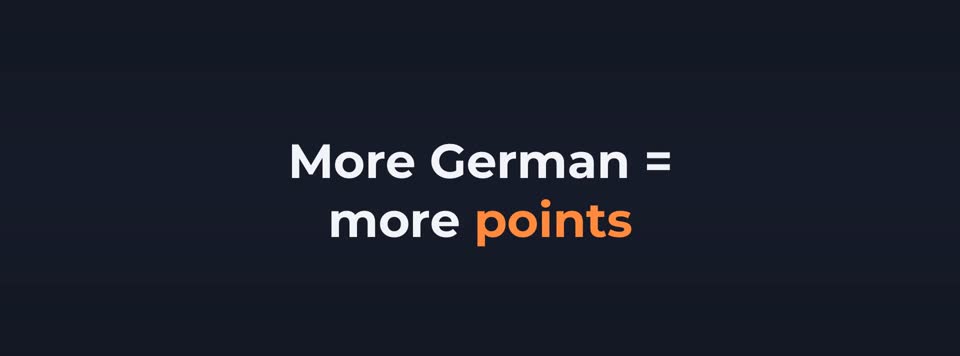
For the Opportunity Card, the job seeker card, you need at least A1 German, or B2 English. More German gives you more points.
University
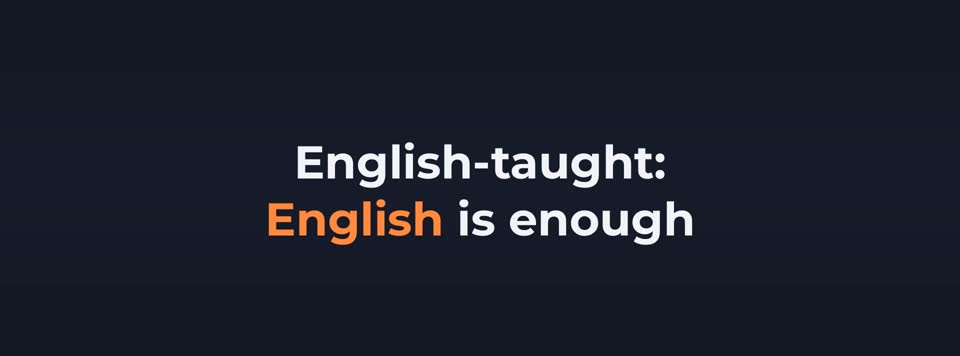
For a degree taught in German, universities usually ask for C1, for example TestDaF or DSH. For English-taught programmes, you usually need English, not German. But German still helps a lot with part-time jobs and daily life.
Ausbildung, vocational training
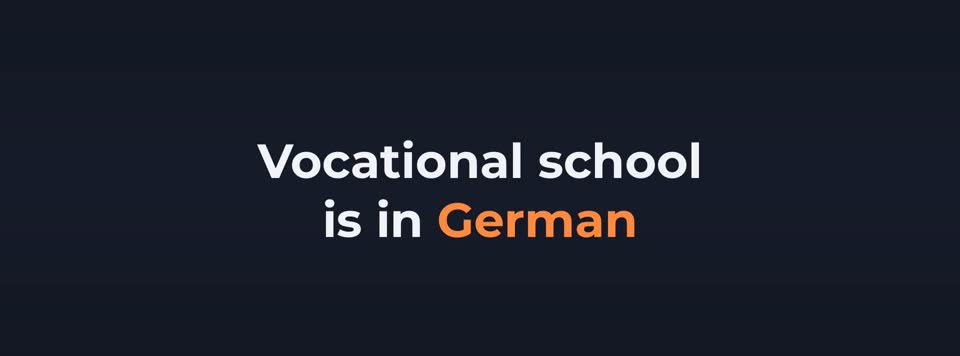
Most training companies expect at least B1, and often B2, because you go to vocational school in German.
Nurses and doctors
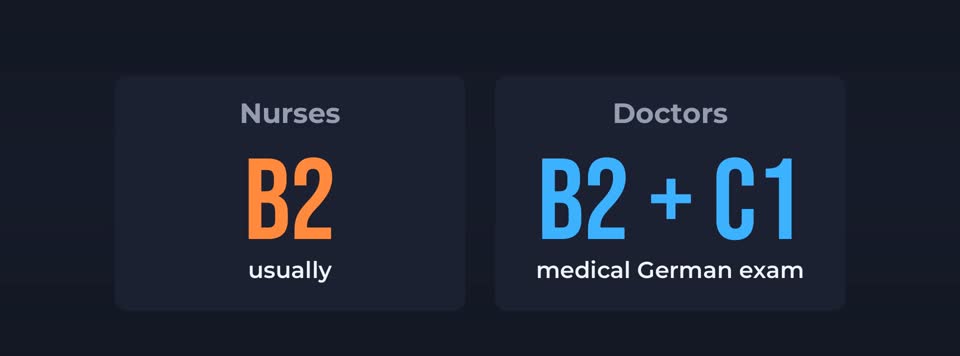
For nurses, recognition usually needs B2. Doctors usually need B2 general German plus a medical German exam at C1 level. Patients' safety depends on clear communication.

The EU Blue Card
Many Blue Card jobs work in English, so German isn't required for the visa. But it pays off later.
Permanent residence
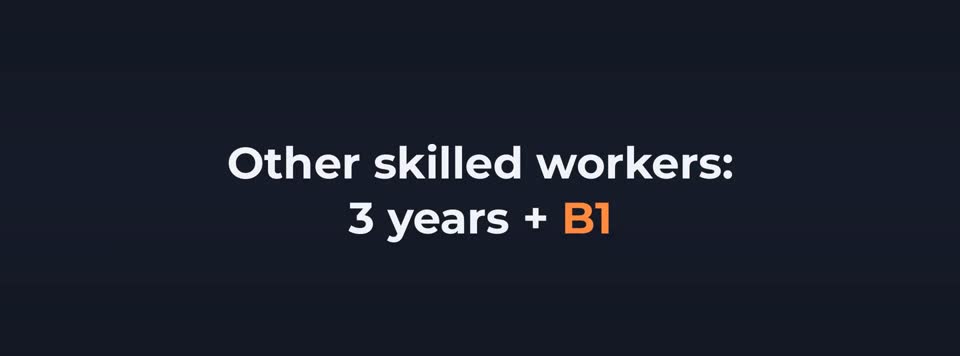
With a Blue Card, you can get a settlement permit after twenty-seven months with A1, or after just twenty-one months with B1. Other skilled workers usually need three years and B1.
Citizenship
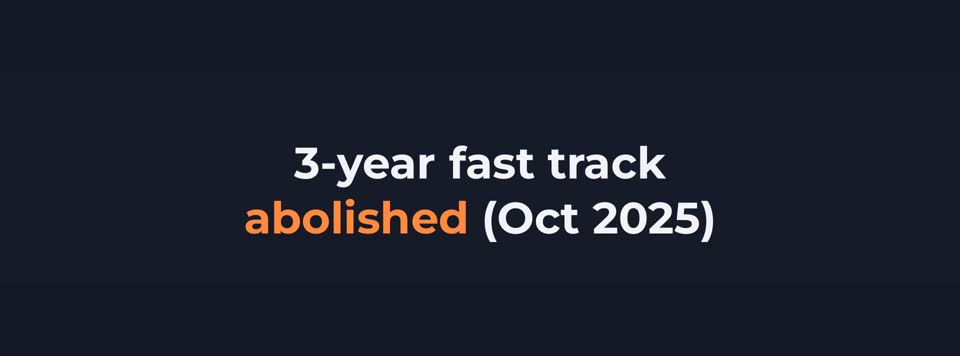
For German citizenship, you need B1, and in most cases five years of residence. The faster three-year route was abolished in October 2025.
In short: Opportunity Card: A1 or B2 English. University: often C1. Ausbildung: B1 to B2. Nurses: B2. Settlement and citizenship: B1. My tip: start with A1 now, even before you apply.
- Make it in Germany (Opportunity Card)
- Residence Act section 18c (settlement permit)
- Nationality Act (B1, five years; fast track repealed October 2025)
- Goethe-Institut CEFR levels
Rules and prices change. Check the official source before you act.